







When electricity works, it’s invisible.
Homes stay warm. Businesses run. Phones charge. Most people never think about where power comes from or how fragile the balance behind it can be.
In the Pacific Northwest, that balance is becoming harder to maintain.
The region’s power grid is still one of the most reliable in the country. But growing demand, aging infrastructure, and weather extremes are pushing it closer to its limits. Understanding how the grid works helps explain why outages can spread quickly and why keeping the system reliable now takes more coordination than ever.

Why the Northwest Grid Is Different
The Pacific Northwest’s grid is shaped by geography.
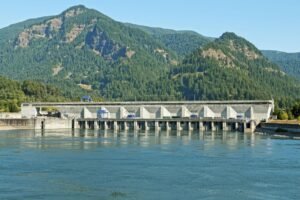
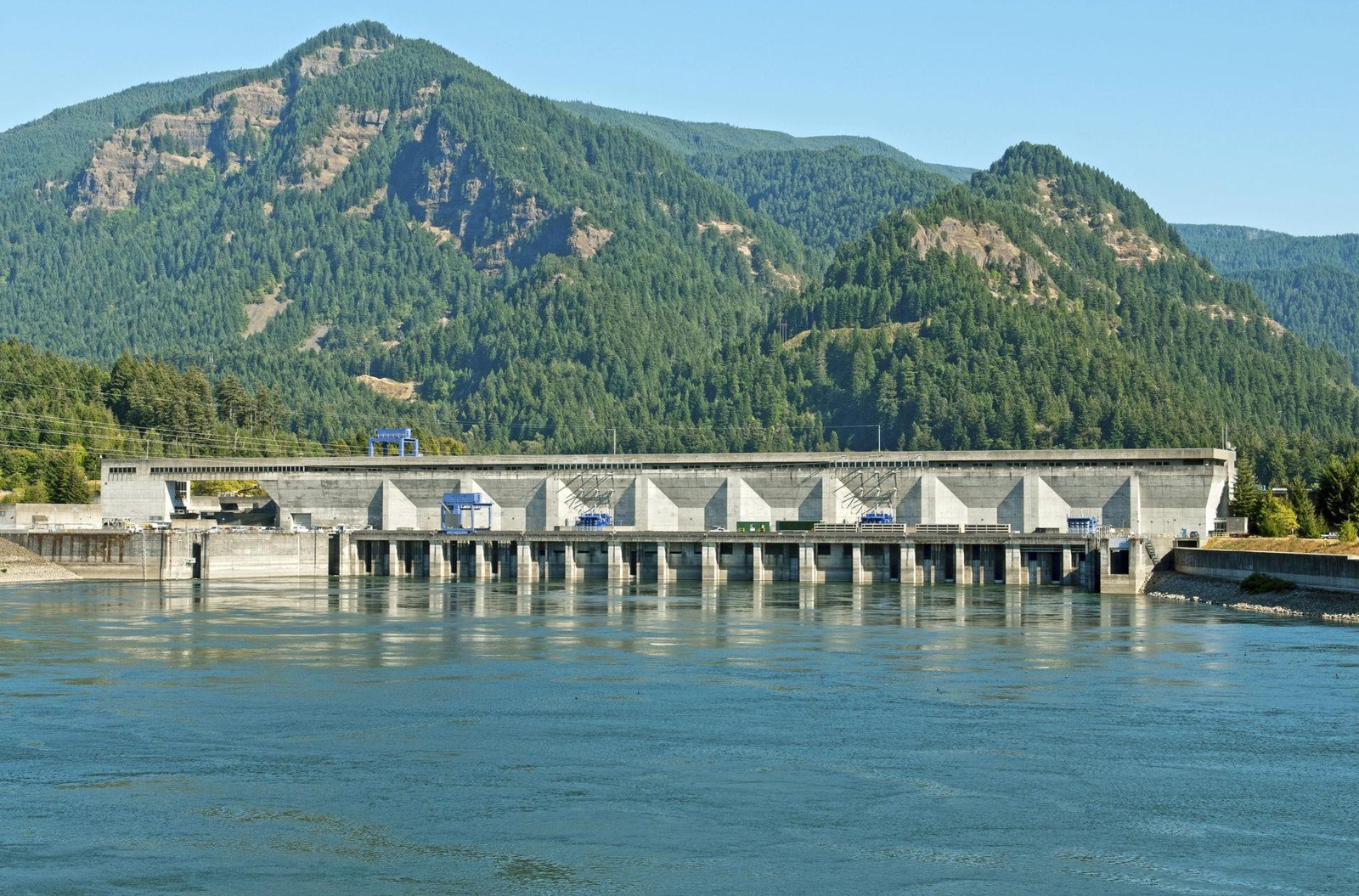
A large share of regional electricity comes from hydroelectric dams. These facilities provide flexible, low-carbon power and can ramp production up or down quickly to meet demand.
That flexibility has long been a regional advantage.
But hydropower depends on water. Drought conditions, environmental flow requirements, and seasonal variability all affect how much electricity dams can reliably produce, especially during peak demand periods
How Electricity Actually Moves
Power generation is only the first step.
Electricity flows through:
- High-voltage transmission lines that move energy long distances
- Substations that manage voltage levels
- Local distribution systems operated by utilities
Grid operators must constantly balance supply and demand. If that balance slips too far in either direction, the system can destabilize.
This real-time coordination becomes more difficult as demand grows and energy sources diversify.
Where the Grid Is Feeling the Most Pressure
Several trends are converging at once.
- Rising electricity demand from population growth, electrification, and data centers
- More extreme weather, stressing both generation and transmission
- Aging infrastructure that requires more frequent maintenance
- Limited transmission capacity, reducing flexibility when problems arise
None of these pressures are new. What’s changed is that they’re happening simultaneously, shrinking the margin for error.
Why Outages Can Cascade
The grid is designed to protect itself.
When sensors detect instability, automated systems may shut down parts of the network to prevent equipment damage or larger failures. To customers, this feels sudden. To operators, it’s a defensive move.
If alternate routes are already constrained, a localized issue can trigger wider outages. Reliability depends not just on how power is generated, but on how easily it can be rerouted when something goes wrong.
What’s Improving Reliability
Despite the strain, grid operators are not standing still.
Utilities across the region are investing in:
- Advanced monitoring tools that detect stress earlier
- Targeted transmission upgrades at known bottlenecks
- Improved forecasting for weather and demand
- Stronger regional coordination among utilities
These efforts don’t eliminate outages, but they reduce how often small problems escalate.
The Tradeoffs Ahead
Grid modernization is slow by design.
New transmission projects take years to permit and build. Upgrades require significant funding. Integrating new energy sources adds operational complexity.
The challenge isn’t technical capability. It’s aligning long timelines, public expectations, and sustained investment with the reality of how infrastructure evolves.
What Signals Real Progress
Announcements matter less than outcomes.
Readers should watch for:
- Shorter outage durations
- Fewer cascading failures
- Clear reporting on grid constraints
- Consistent investment in maintenance
The Pacific Northwest power grid remains a critical regional asset. Keeping it reliable will depend less on emergency response and more on steady, long-term attention.
Why This Matters Now
As demand grows and weather becomes less predictable, the grid’s quiet reliability can no longer be taken for granted.
The systems that keep the lights on still work. The question is how well they adapt to stress before failures force change.