







Across the Northwest, the biggest workforce problem is not remote work or tech layoffs. It is the quiet loss of skilled workers who keep core systems running.
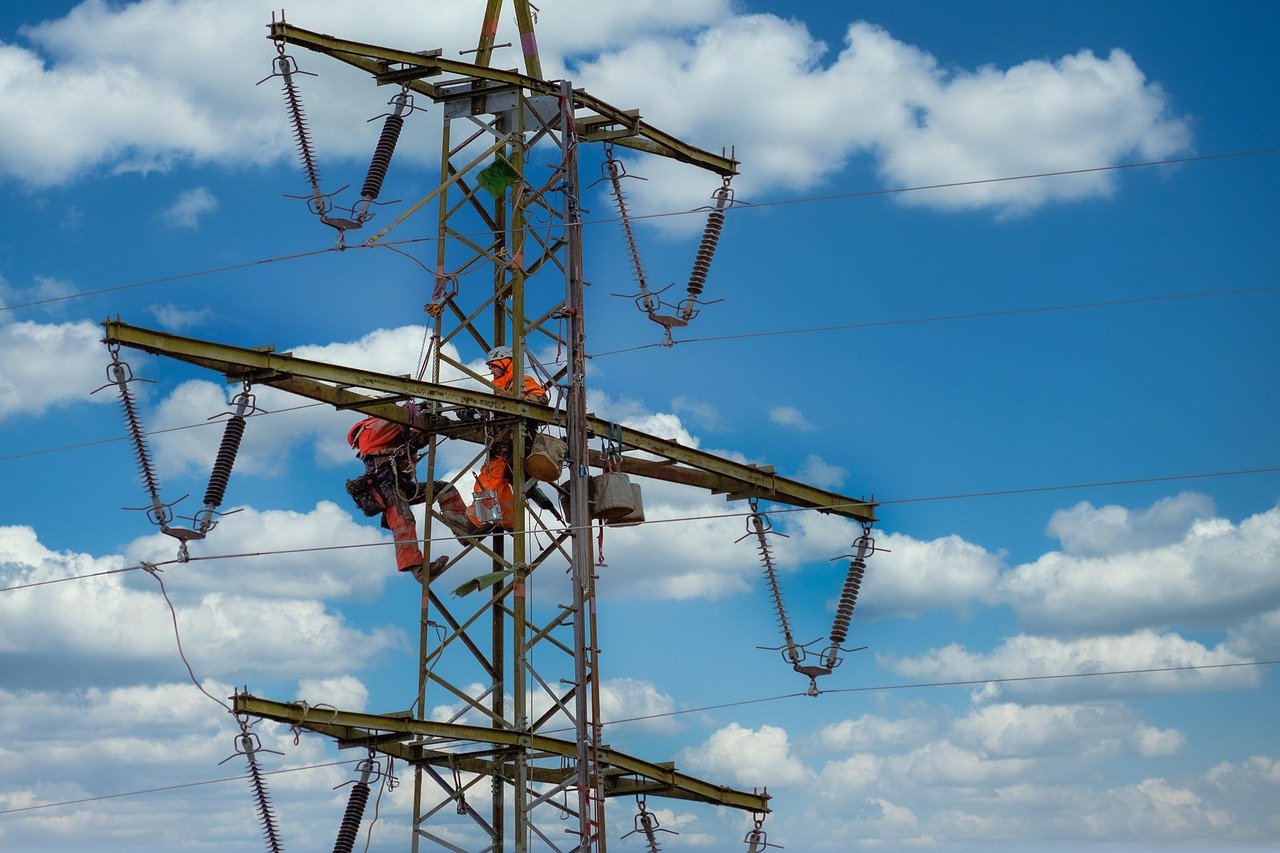
Electricians. Lineworkers. Mechanics. Transit operators. Port crews. Water and wastewater technicians.
These jobs rarely trend on social media. But without them, nothing else works.
State agencies, utilities, ports, and manufacturers are facing the same reality at the same time. A large share of their experienced workforce is nearing retirement. Fewer workers are coming in behind them. And the gap is growing faster than most planning models expected.
This is not a short-term labor shortage. It is a long-term skills cliff.
A retirement wave years in the making
Many of the Northwest’s critical trades were built during a hiring surge in the 1980s and 1990s. These workers maintained power lines, ports, transit systems, factories, and water systems for decades.
Now, a large percentage of that workforce is eligible to retire within the next five to ten years.
Public utilities and ports have known this was coming. What they underestimated was how difficult replacement would be.
Training a skilled lineworker or industrial mechanic takes years, not months. Experience cannot be rushed. And once institutional knowledge leaves, it does not come back.
Agencies in Washington and Oregon are reporting vacancy rates in skilled positions that are no longer temporary. They are structural.
Why the pipeline isn’t refilling
For years, education and workforce investment leaned heavily toward four-year degrees and tech roles. Trades were often framed as a fallback, not a first choice.
The result is a thin pipeline for jobs that require hands-on skill, physical presence, and long apprenticeships.
At the same time, these roles are getting harder, not easier.
Modern utilities rely on digital controls and advanced safety systems. Ports operate complex logistics and automation. Manufacturing equipment requires hybrid mechanical and technical knowledge.
This means the new worker must be trained longer than the last generation, while fewer people are entering the field.
The hidden costs of missing workers
When these jobs go unfilled, the impact is not always immediate. It shows up quietly.
Maintenance gets delayed. Outages take longer to fix. Projects cost more and take longer to finish. Safety margins narrow.
In some cases, agencies are forced to compete against each other for the same limited pool of workers. A public utility loses a trained technician to a private contractor. A transit agency loses operators to freight or logistics firms.
This internal competition raises costs without increasing overall capacity.
For the public, the effects appear as higher bills, slower service restoration, and delayed infrastructure projects. The workforce problem becomes a system problem.
Where the Northwest feels it most
The skilled labor gap is not evenly distributed.
Rural utilities struggle to attract workers willing to relocate. Mid-sized cities compete with metro areas that can offer higher pay. Ports and industrial hubs face constant churn as skilled workers move between employers.
Agencies like the Washington State Employment Security Department and the Oregon Employment Department have flagged skilled trades as some of the hardest roles to fill across both states.
At the same time, organizations like the Port of Seattle and regional utilities are expanding operations that depend on this same workforce.
Growth is increasing demand. The labor pool is shrinking.
This is not just a workforce issue
The skilled labor cliff affects housing, energy, transportation, and economic growth. You cannot expand systems without people who know how to build and maintain them.
The Northwest’s ability to modernize infrastructure depends less on funding and more on whether the workforce exists to execute the work.
The question is no longer whether this shortage is real. It is whether institutions adapt fast enough to manage it.
Because once the experience is gone, rebuilding it takes a generation.
One thought on “The Skilled Labor Cliff: Why the Northwest Is Running Out of the Workers Who Keep Everything Running”
Comments are closed.